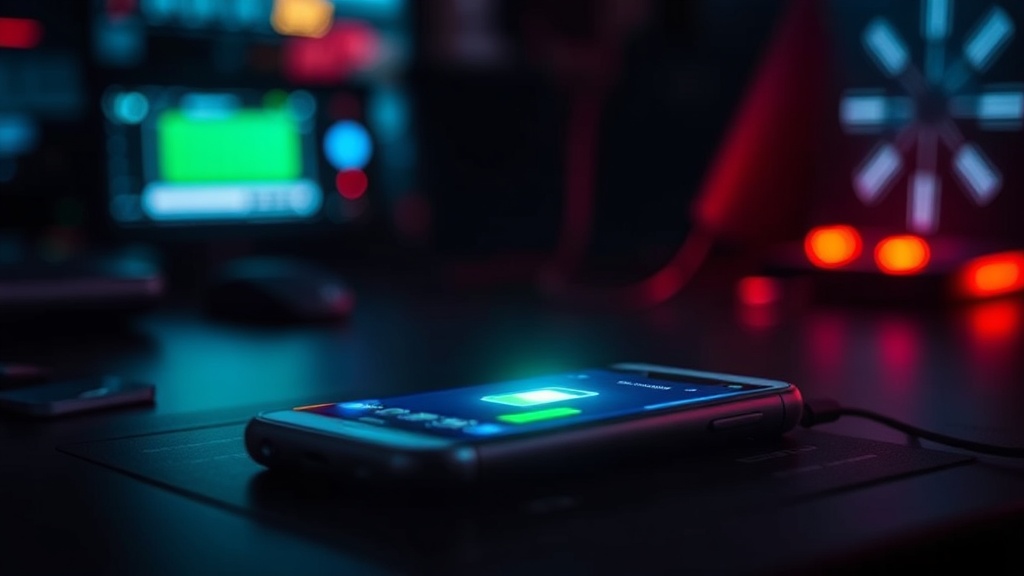
Why Your Mobile Battery Dies Faster Than Expected

The Hidden Drain on Your Smartphone Battery
Roughly 70% of smartphone users report significant battery anxiety within just two years of owning a device. It isn't just about how often you charge your phone; it's about what's happening in the background while you aren't looking. This post looks at the specific technical culprits—from background sync processes to hardware degradation—that pull your percentage down faster than a standard daily routine should allow. Understanding these variables helps you keep your device running longer without needing to carry a power bank everywhere.
Most people think a dead battery is just a sign of an old phone. While age plays a part, modern software behaviors often act as the primary culprit. Your device is constantly communicating with cell towers, satellites, and various app servers. Every single one of these connections requires a tiny bit of electrical energy. When a dozen apps decide to refresh their data at the same time, your battery life takes a massive hit. It's a quiet, invisible drain that happens even when your screen is off.
Is Background App Refresh Killing Your Battery Life?
One of the biggest culprits in modern mobile OS design is the constant need for information. Apps want to stay fresh. Whether it's a social media feed or a weather update, these processes run in the background. If you have dozens of apps with permission to refresh, your processor stays active much longer than it needs to. This constant state of readiness prevents the phone from entering its deepest sleep modes.
To see what's actually happening, you can check your system settings. Both iOS and Android provide detailed breakdowns of which apps are consuming the most energy. If you notice a specific app—perhaps a social network or a navigation tool—is responsible for a large chunk of your usage, you might want to restrict its background permissions. This doesn't mean you can't use the app; it just means the app only works when you actually open it. This is a simple way to regain control over your daily charge cycles.
Common Battery Drains to Watch For
- High Brightness Levels: The display is often the biggest energy consumer. Even if you use auto-brightness, extreme environments can force the screen to draw massive amounts of power.
- GPS and Location Services: Constant polling for your location—especially by apps that don't strictly need it—is a massive drain.
- Poor Signal Strength: When your phone struggles to find a stable cellular signal, it ramps up the power to the modem to try and connect. This is a huge energy hog.
- Bluetooth and Wi-Fi Scanning: Searching for nearby devices or networks uses more power than most people realize.
It's worth noting that even a "smart" phone can be quite dumb when it comes to power management if the settings aren't right. For example, if you're in an area with terrible reception, your phone will work overtime to stay connected to the network. This is why your battery might die much faster during a commute or a road trip through rural areas. According to technical documentation from Apple Developer Documentation, managing the lifecycle of an app is a key way to prevent these unexpected drains.
Does Fast Charging Damage My Smartphone Battery?
This is a question that pops up in almost every tech forum. The short answer: not directly, but heat is the enemy. Fast charging technology works by pushing higher currents into your battery, which naturally generates more heat. If your phone gets hot during this process, that heat can lead to long-term degradation of the lithium-ion cells. It's not the speed of the charge itself that's the problem; it's the thermal stress.
If you're charging your phone under a pillow or in a thick case that doesn't allow for heat dissipation, you're asking for trouble. To keep your battery healthy, try to keep the device in a well-ventilated area while it's plugged in. Some manufacturers, like Samsung, even offer features that limit the maximum charge to 85% to extend the overall lifespan of the battery. This is a smart way to manage the chemical aging of your hardware. You can find more detailed technical explanations of battery chemistry through resources like Android Official Site regarding power management features.
Another thing to consider is the "overnight charge." While modern phones are smart enough to stop drawing power once they reach 100%, keeping a device plugged in at 100% for hours on end can cause micro-cycles of charging. These tiny bursts of energy can put unnecessary stress on the battery cells. If you don't need your phone at 100% by 7:00 AM, consider using a timer or a smart plug to ensure it finishes charging earlier in the night.
Battery Management Checklist
- Check App Usage: Identify high-drain apps in your settings.
- Toggle Connectivity: Turn off Bluetooth or Wi-Fi when not in use.
- Lower Brightness: Use auto-brightness or keep it at a lower level manually.
- Manage Location: Set location permissions to "While Using App" instead of "Always."
- Monitor Temperature: Avoid charging in hot environments.
Ultimately, your battery is a consumable part. It will degrade over time regardless of how well you treat it. However, by managing these small technical behaviors, you can slow down that inevitable decline. Whether it's a high-end flagship or a budget device, the physics of lithium-ion batteries remains the same. A little bit of attention to your settings goes a long way in keeping your mobile experience-fluid and reliable.